What exactly is the “Botox glow,” and can a few tiny injections truly make skin look smoother, tighter, and more hydrated? Short answer: yes, when the technique is precise and the candidate is right. The glow comes from micro-targeting superficial muscles and skin structures to soften expression, reduce oil and sweat, refine pores, and create a calm, even surface that reflects light better.
The glow most people notice, and why it happens
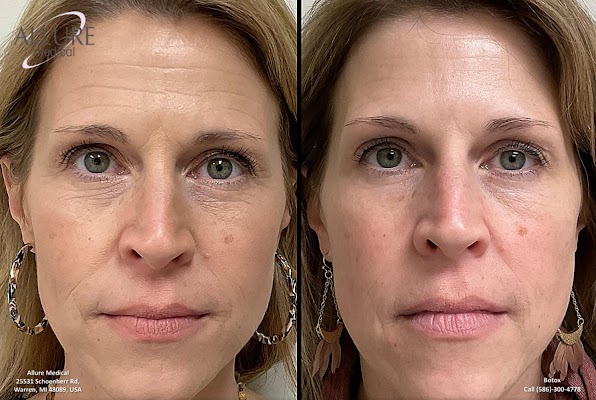
Patients describe the Botox glow as makeup-optional skin that looks rested and polished, not frozen. When performed as a soft botox or micro botox approach, the treatment uses diluted onabotulinumtoxinA placed very superficially. Instead of purely paralyzing deeper muscles, it quiets micro-movement, reduces sebum and sweat in the treated zone, and subtly tightens the skin surface. Think fewer crinkles around the eyes when you smile, less shine across the T-zone midday, and pores that appear smaller because the surrounding muscle activity and oil output have dialed down.
I first noticed this effect years ago on a patient who came for botox forehead smoothing and a standard upper face treatment. She had naturally oily skin and persistent makeup slippage by noon. Three weeks after a lighter, more diffuse pattern across the forehead and temples, she reported that her foundation finally stayed put and her skin looked “glassier.” That wasn’t magic, it was physiology. Reduce the pull and bunching of overactive fibers, temper sebum a touch, and the surface lays flatter, which reflects light evenly.
Parsing the language: Botox isn’t filler
A quick clarification saves a lot of confusion. Botox, a botox muscle relaxant, softens lines by relaxing muscles and reducing repetitive creasing. Filler adds structure and volume. They can complement one another in a botox filler combination, but they are not interchangeable. For glow-focused goals, Botox handles dynamic texture and shine, while fillers, when needed, address contour or hollowness. Combining botox and fillers can be strategic: Botox for expression softening and pore refinement, a touch of hyaluronic acid for precise light reflection across cheeks or temples. One smooths movement, the other shapes light.
What a Botox glow treatment includes
A botox glow treatment typically uses micro botox, soft botox, or botox microdosing. The injector dilutes the product and delivers small aliquots across the superficial dermal plane. Key areas often include the forehead, lateral cheeks, temples, chin, and sometimes the perinasal area for prominent pores. Around the eyes, lighter passes can improve crepe texture while respecting function required for blinking and smiling.
Traditional botox upper face treatment still matters. The glabella and frontalis are often addressed with standard dosing patterns to soften the 11s and horizontal lines. That creates the base canvas. The glow layer rides on top of that foundation, with subtle micro points to refine tone and texture. On the lower face, careful botox lower face treatment can relax pebble-chin dimpling, downturned corners from the depressor anguli oris, and platysmal bands in the neck for a cleaner jawline transition. Small changes deliver outsized improvements in how light plays off the skin.
Who benefits most
The sweet spot includes patients with mild to moderate dynamic lines, enlarged pores across the T-zone or cheeks, oily skin that ruins midday makeup, and finely etched lines around the eyes. Those with rosacea that flares with heat or stress sometimes do well because botox for rosacea can reduce flushing intensity in select cases by quieting neurovascular triggers. Clients with acne scars sometimes see a surface benefit because smoother, calmer surrounding skin can make shallow scarring less apparent, though Botox for acne scars is an adjunct, not the primary therapy.
In patients with thick, heavy muscles or very deep static folds, glow alone won’t carry the day. That’s when we talk about staged care: a modulated botox cosmetic procedure first, then targeted filler or energy-based therapy if needed. The goal is the most natural enhancement from a personalized botox plan that respects individual anatomy.
Safety, when it matters most
A safe botox injection is about more than clean technique. The injector must know anatomy, dilution science, and how different skin types respond. A qualified botox specialist will map dosing to your expressive habits, not a generic grid. Too deep or too concentrated and the glow becomes a flatness you didn’t ask for. With an expert botox injector, risks are low: small bruises, a day or two of pinpoint redness, occasional headache. Serious issues like brow or eyelid ptosis are rare when the injector stays away from the elevator muscles that keep brows and lids up.
I’ve seen a handful of glow candidates come in with a previous history of heaviness in the brows after an aggressive pass. The fix is simple going forward: lighter doses, higher placement in the forehead, and caution at the tail of the brow. Precision botox matters because a millimeter can change an outcome in the upper third of the face.
How it actually works at the microscopic level
Botulinum toxin type A blocks acetylcholine release at the neuromuscular junction, which reduces contraction. In micro botox, the effect is partly muscular, partly on eccrine and sebaceous activity. Less oil and sweat translate into a quieter surface. Collagen isn’t “built” by Botox the way it is by heat-based devices or microneedling, but calmer skin sustains fewer repetitive shear forces, which can slow the deepening of dynamic lines. Consider it a botox wrinkle prevention effect layered into your anti-aging plan.
Specific targets and realistic outcomes
Forehead and glabella: Expect botox forehead smoothing that still allows a natural lift, especially if the injector spares the lateral frontalis to preserve your brows. Over-treating here can lead to a heavy look. Under-treating leaves horizontal etching behind. A balanced approach wins.
Crow’s feet and under-eye micro lines: A soft botox pass near the outer canthus reduces fan lines when you smile. For an open look, some patients add a subtle botox eye lift by relaxing the lateral orbicularis oculi just enough to let the brow tail lift a couple of millimeters. For droopy upper lids, Botox for droopy eyelids is not a direct fix, but careful reshaping of opposing muscles can improve the frame.
Cheeks and pores: When patients ask about botox for pore reduction or botox for enlarged pores, we discuss limited, superficial passes across the malar area. This often reduces shine and gives a satin finish. It won’t erase deeper ice-pick scars, but it can make makeup glide better and hold longer.
Chin and jawline: Botox for facial slimming often focuses on masseter reduction. If you have a wide jawline from strong chewing muscles, botox masseter slimming can taper the lower face over 6 to 8 weeks, which reads as a softer, more heart-shaped silhouette. That also helps patients with clenching, teeth grinding, or TMJ-related discomfort. So botox for clenching jaw, botox for bruxism, and botox for TMJ can be both therapeutic and aesthetic, easing head and neck tension while refining facial contour.
Neck and jawline support: Those vertical ropes you see when you strain are platysmal bands. Botox for platysmal bands can smooth them and provide a mild botox facial lift by reducing the downward pull against the jawline. For early textural crepe, botox for neck rejuvenation can soften necklace lines and reduce roughness. It will not remove a double chin, but it can improve the outline above it. If submental fullness is the main issue, botox for double chin is a misnomer. Fat reduction methods or deoxycholic acid work better there, sometimes paired with minimal toxin to refine bands.
Mouth corners and midface: Downturned corners create a tired look. Light dosing in the depressor anguli oris can lift the smile corner a touch. For deeply etched marionette lines or nasolabial folds, Botox isn’t the primary tool. Fillers or collagen stimulators make more sense. Still, botox for marionette lines or botox for nasolabial folds as sole therapy won’t satisfy most patients. A botox filler combination shines here, letting filler do the heavy lifting while the toxin maintains expression control.
A day in the chair: what the appointment feels like
A typical botox session duration ranges from 15 to 30 minutes. After a short consultation and photography, the skin is cleansed, sometimes iced, and the injector maps points that match your goals. The botox injection process involves tiny needles, usually 30-32 gauge. You’ll feel quick pricks, a bit of pressure, maybe a watery sensation with microdosing passes. Minimal https://batchgeo.com/map/allure-medical-botox-warren-mi bleeding is normal. Patients often walk out looking presentable, with small bumps that settle within 30 to 60 minutes, especially in micro botox patterns.
When new patients ask for an exact count of injections, I explain that the botox injection details depend on the canvas. A smooth, small forehead might need fewer points. Oily, porous cheeks, more. The botox procedure steps are simple: clean, mark, inject, gentle pressure, and a quick post-care review.
What happens after
Expect the botox smoothing effect to start within 3 to 5 days, with full botox treatment results by 10 to 14 days. Glow qualities like less shine and finer pores often become obvious by week two. For botox after treatment care, I advise no heavy exercise, saunas, or facial massages for the first 24 hours. Keep your head upright for several hours and avoid manipulating treated areas. Makeup can go on after a few hours if the skin looks calm.
Bruising can happen, especially around the eyes or in the perinasal area. It’s usually tiny and fades within a week. If a result feels slightly asymmetrical at two weeks, a conservative touch-up evens it out. This is where modern botox therapy has grown more bespoke. We adjust rather than overtreat from the start, preserving function and natural character.
How long the glow lasts
A realistic window for glow-like effects is 8 to 12 weeks. Oil-control benefit can last a bit shorter in very active sebaceous skin, while softening of lines may persist to week 12 and beyond. Long term botox benefits come from consistency, not maximum dosing. With a thoughtful botox maintenance plan, most patients schedule every 3 to 4 months. Some alternate: quarter one upper-face focus, quarter two add the cheek microdosing, and so on. That cadence maintains a botox natural enhancement without slipping into the overdone look.
Where Botox enters a broader anti-aging strategy
Botox is a botox anti aging solution when used with other sensible steps. Sunscreen daily keeps gains intact. Medical-grade retinoids, antioxidants, and barrier support reduce inflammation that constantly tries to erode your results. Patients who treat melasma or rosacea can layer in gentle lasers or light-based therapies between toxin sessions. When volume loss shows up in the midface, botox facial contouring alone cannot rebuild structure. That’s when we add conservative filler or biostimulators, placed strategically, to reframe shadows. The pairing of botox and skincare routine upgrades often amplifies the glow by improving texture and tone from multiple angles.
Special cases worth discussing
Athletes and heavy sweaters: Toxin is FDA-approved for axillary hyperhidrosis. Beyond underarms, botox for scalp sweating, palms sweating, and feet sweating can be life-changing. Reducing scalp sweat also helps with hairline makeup and blowouts that usually wilt mid-day. For glow seekers with slick T-zones, a cautious superficial dosing pattern lowers shine without drying the skin to discomfort. It’s a balance.
Headaches and jaw tension: Many patients discover botox migraine treatment through aesthetics. When used for botox for migraines prevention or botox for tension headaches, dosing and placement differ from cosmetic patterns. Yet relaxing trigger zones in the forehead, temples, occiput, and masseters can simultaneously provide botox cosmetic enhancement and reduce head pain frequency. That dual benefit is why some stick with routine care for years.
Asymmetry and facial balance: Slightly uneven brows, one stronger smile depressor, or a chin that pebbles more on one side can throw off symmetry. Custom botox injections correct these tiny imbalances. Botox for asymmetrical face or botox for facial balance relies on careful mapping and micro adjustments, not higher volume. Patients often say friends think they “slept well,” which is what we want.
The risks of chasing glow without judgment
Too much superficially can create a waxy look, especially if the injector pools product in areas that need movement to look alive. Around the mouth, heavy-handed dosing can flatten a smile or create a whistle-like effect. Over-relaxing the mentalis can blunten chin shape. In the neck, aggressive treatment of platysma without considering deep fat and skin laxity can unmask other aging signs. The art is knowing when Botox is the star and when it should be a supporting actor. That’s where advanced botox techniques and a certified botox provider earn their keep.
Comparing micro botox to other texture treatments
Microneedling with or without platelet-rich plasma builds collagen over months, good for superficial scars and general tone. Fractional lasers can reduce fine lines and dyschromia but carry downtime and pigment risks for some skin types. Chemical peels resurface efficiently, though sensitive skin might flare. Micro botox doesn’t resurface, it refines function and oil dynamics with almost no downtime. I often advise patients to oscillate: one quarter micro botox, next quarter device-based therapy, maintaining gains with light botox injections around high-movement zones. Modern botox therapy works best as part of a yearlong plan rather than a single event.
My playbook for a first-time glow seeker
- Begin with a detailed map: upper face dynamics, pore pattern, oil distribution, and smile mechanics. Photographs help track botox treatment results accurately. Start light: a soft botox pass across the forehead and crow’s feet, plus microdosing across cheek pores if shine is a concern. This protects expression while testing response. Reassess at two weeks: adjust for asymmetry or areas that remain too active. Precision tweaks beat aggressive first passes. Layer skincare: balance retinoid strength, add niacinamide for barrier and oil control, and commit to daily SPF. Good topicals make botox skin rejuvenation last longer. Set a maintenance rhythm: every 3 to 4 months for movement-prone zones, every other visit for cheek microdosing if oil is moderate, more often if oil is high.
The real-time experience of results
Patients usually notice the botox smoothing results while doing everyday things. They catch their reflection in a car window and see less forehead shimmer at noon. Concealer doesn’t crease under the eyes by afternoon. When they laugh, the eyes crinkle, but not as sharply. These are subtle cues of botox cosmetic enhancement, not a transformation that shouts. That subtle enhancement is the point. The glow reads as healthy skin, not “I had work done.”
Technical notes that matter to outcome
Dilution and plane: Micro botox relies on higher dilution and very superficial placement. That increases spread in the skin layer where oil glands and micro vasculature live. Too deep you lose the pore and shine benefits. Too superficial and you risk transient bumps that take longer to settle.
Patterning: Dense grid patterns across oily zones can be excellent for botox for oily skin and botox for enlarged pores. Over bony areas like the temples, spacing needs to respect vessel pathways to reduce bruising.
Dosing restraint in lower face: The mouth is expressive. For botox for smile lines around mouth, minimal dosing near the DAO and mentalis avoids lip incompetence. If lines are etched in, a tiny drop helps only after volume or resurfacing has done the heavy lifting.
Neck strategy: For botox for platysmal bands, we map bands under animation, then deliver slender columns of toxin. For broad necklace lines, superficial micro passes soften crepe but won’t remove etched rings. Skin quality work still matters.
How clinics keep it professional
A strong botox clinic keeps consistent photography, measured dosing logs, sterile technique, and honest counseling about trade-offs. Professional botox service prioritizes a conservative first session. Patients who chase internet trends like “full-face microdosing” without anatomical nuance risk bland expressions or functional issues. A certified botox provider will say no when a request doesn’t fit your structure.
I encourage people to ask about an injector’s philosophy. Do they aim for a quiet resting face and lively expressiveness, or a motionless canvas? The latter undermines a genuine glow. The best injectors favor a restrained, iterative approach that respects individuality.
Maintenance without obsession
You don’t need a calendar filled with appointments to keep skin in a good place. Many clients succeed with a simple botox routine care cadence: two to four visits a year, small adjustments seasonally, and supportive skincare. Those prone to migraines or bruxism may keep a more regular botox medical treatment schedule for comfort. Style and comfort overlap when your jaw stops aching and your brow headaches quiet down. That functional benefit spills into appearance, since tension etched on the face fades.
When glow is not the goal
Some patients come in with expectations a toxin cannot meet. Heavily sun-damaged skin with mottled pigment needs resurfacing and pigment control. Severe laxity needs tightening devices or surgery. Deep folds at rest call for volume. Botox anti wrinkle therapy is not a universal fix. Used properly, it is a strong component of modern aging care, supporting more durable changes from energy devices and skincare.
A word on cost, duration, and planning
Pricing varies by geography, injector expertise, and product used. Glow-focused sessions typically use fewer total units but more injection points. The session runs quick, and the low downtime appeals to busy schedules. For planning, I ask new patients to book a two-week review after the first session, then we extend follow-ups as predictability sets in. Over time, the plan becomes personalized: perhaps a spring emphasis on oil control before wedding season, a fall touch for expression softening as indoor heating dries skin, or a year-end pass to even out red triggers in rosacea-prone cheeks.
The bottom line for a confident, authentic appearance
The Botox glow is not a filter. It is an effect born from understanding how muscles, oil glands, and light interplay across a face. With custom botox injections, light botox injections in the right planes, and a bit of patience, you can expect a polished surface that stays fresh through the day. Add thoughtful skincare, and the glow lasts longer between visits.
If the aim is a balanced, confident appearance rather than a rigid mask, look for an expert who treats movement as a feature to refine, not erase. That philosophy preserves what makes your face yours. In practice, that might mean a modest botox upper face treatment for softening, targeted botox for eye wrinkles to keep smiles kind, a careful pass for botox for facial relaxation along the jaw to release tension, and perhaps strategic botox for facial slimming if masseters dominate your lower face. Piece by piece, you build a result that reads natural and feels like you on your best day.
A true glow is more than shine control. It is even tone, smooth texture, calm expression, and the quiet confidence that comes when your reflection matches the energy you carry. With modern botox therapy, applied thoughtfully, that is well within reach.